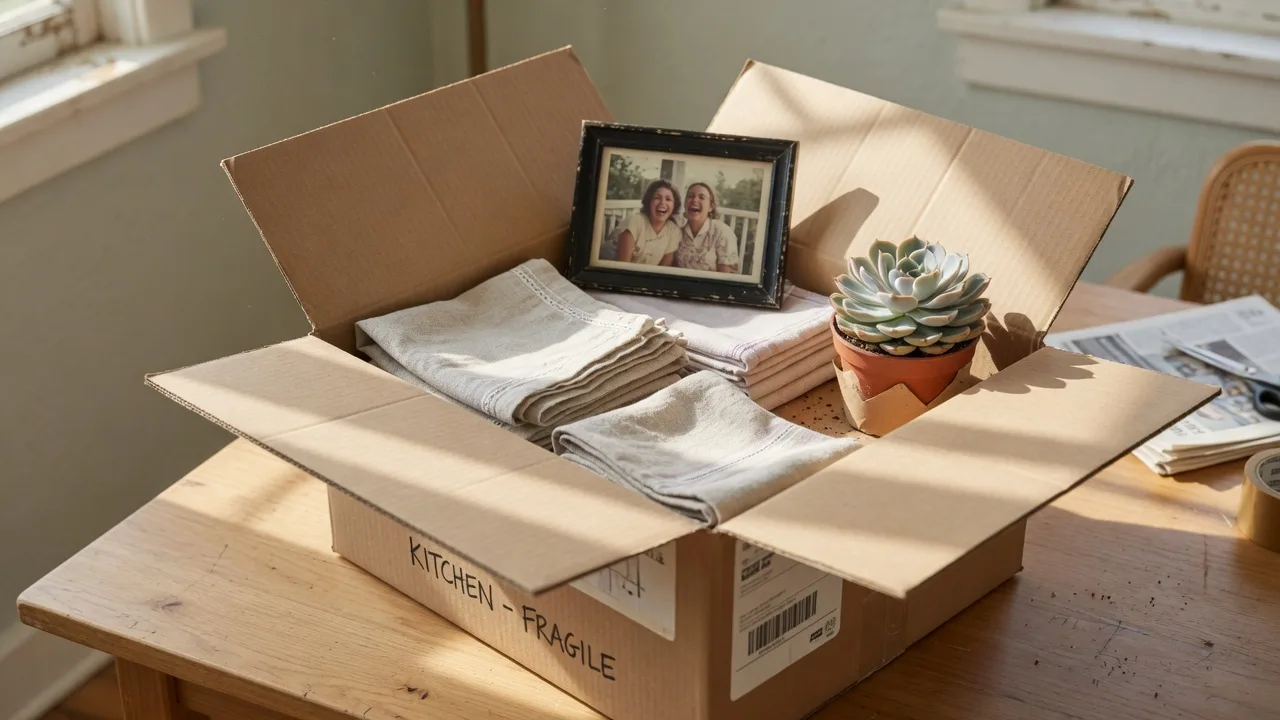
One of the most common things I hear from people considering downsizing is: "I don't even know where to start." It is an overwhelming task, especially when a home holds decades of accumulated belongings, memories, and habits. The good news is that you do not need to tackle everything at once. A structured, room-by-room approach keeps the process manageable and gives you a sense of progress with every step.
After more than 25 years in real estate, I have helped hundreds of people through this process. What works best is a simple system applied with consistency. Here is the checklist I share with clients who are preparing to downsize, whether they are moving to a smaller home on Prince Edward Island or simply looking to simplify the space they already have.
Before You Begin: The Three-Box Method
Before you open a single closet or drawer, set up three categories for every item you touch: keep, donate or sell, and discard. This system sounds simple, and it is. Its power lies in making every decision binary. You are not deciding whether something is "nice" or "worth keeping." You are deciding whether it belongs in the next chapter of your life.
A helpful rule of thumb: if you have not used or worn something in the past twelve months, it is a strong candidate for the donate or sell pile. Sentimental items deserve more thought, but even there, consider taking a photograph to preserve the memory before letting the physical object go.
Where to Start: Least Sentimental First
Start with the rooms and spaces that carry the least emotional weight. Build momentum in the easy areas before you reach the kitchen, the bedroom, or the family photo collection. Here is a practical order that works well for most people.
1. Garage, Basement, and Attic
These spaces tend to hold the most forgotten items and the least daily-use objects. Sort through tools, seasonal decorations, old paint cans, sports equipment, and stored boxes you may not have opened in years. Broken, rusted, or unusable items should go straight to discard. Gently used tools, furniture, and equipment can often be donated or sold locally.
2. Guest Room and Spare Spaces
If you have a guest room, home office, or craft room that is only occasionally used, this is a natural next step. Consider whether you will realistically need these dedicated spaces in your next home. Often, a smaller home works perfectly well with a multi-purpose room instead of a separate guest bedroom.
3. Bathrooms and Linen Closet
Bathrooms are quick wins. Discard expired medications, old cosmetics, and products you will not use. Keep two or three sets of towels and sheets and donate the rest. This is a room where most people are surprised by how much they can let go without missing anything.
4. Living Room and Common Areas
Think about how you actually live now, not how you lived ten years ago. Do you need the full set of formal dining chairs? The large entertainment centre? Keep the furniture and pieces that genuinely serve your daily life. Meaningful photographs and décor should travel with you, but consider scaling down to the favourites rather than everything.
5. Kitchen
The kitchen is where most people hold onto more than they need. Duplicates are the first thing to address: you likely do not need four spatulas, three slow cookers, or a drawer full of mismatched lids. Keep one quality version of each tool you use regularly. Clear out expired pantry items, old spices, and appliances you have not touched in a year.
6. Bedroom and Closet
Closets are where the emotional and practical sides of downsizing meet. Sort clothing by category so you can see exactly how many of each item you own. Keep what fits well, feels good, and reflects the life you are moving into. Donate anything that has not been worn in a year. For sentimental clothing, such as a parent's coat or a meaningful dress, consider having it preserved or repurposed into a quilt or memory piece.
7. Home Office and Paperwork
Old tax returns, outdated manuals, and stacks of paper can be digitised or safely shredded. Most financial and medical records can be stored digitally now. Keep only what you are legally required to hold in physical form, and organise the rest into clearly labelled folders. A smaller home means a smaller filing cabinet, and that is a good thing.
8. Photo Albums and Sentimental Items
Save this for last. By the time you reach this stage, you will have built the confidence to make thoughtful decisions about what to keep. Choose the pieces that carry the most meaning and let the rest go with gratitude. Photo albums can be digitised, and many local services on PEI offer scanning and reproduction. The goal is not to erase your history; it is to carry it forward in a way that fits your new space.
A Few Things Most People Forget
- Measure your new space early. Knowing the exact dimensions of your rooms, closets, and doorways prevents the frustration of bringing furniture that does not fit. It also helps you decide which pieces are worth moving.
- Talk to family members first. Before donating or selling items of possible significance, give children and family members the chance to claim anything they would like to keep. This prevents regret and makes the process feel shared rather than unilateral.
- Set a timeline and stick to it. Open-ended projects stall. Give yourself a realistic but firm schedule: a few weeks per room, with a target date for completion. If you are selling your current home, your real estate agent can help you set a timeline that aligns with the market.
- Celebrate your progress. Downsizing is hard work, and it is worth acknowledging each milestone. Finish the garage? Take a moment. Cleared the kitchen? You have earned it. The process gets easier as you go.
The Bigger Picture
A checklist gives you structure, but the real work is deciding what kind of life you want next. Downsizing is not about fitting into less space. It is about building a home that supports the person you are now and the days you want to have. On Prince Edward Island, that often means more time outdoors, less time maintaining a house you no longer need, and a community that feels like it was built for the pace of life you are looking for.
If you are working through this process and would like guidance on what is available on PEI, or simply want to talk through your options, I am here to help.
"From our very first conversation, Cheryl made us feel at ease. She listened carefully, answered every question honestly, and never made us feel pressured. We always felt like she was looking out for our best interests." Cheryl's clients